
Does H. Pylori cause cancer?
BY KYRIAN UGWU OCTOBER 03, 2026
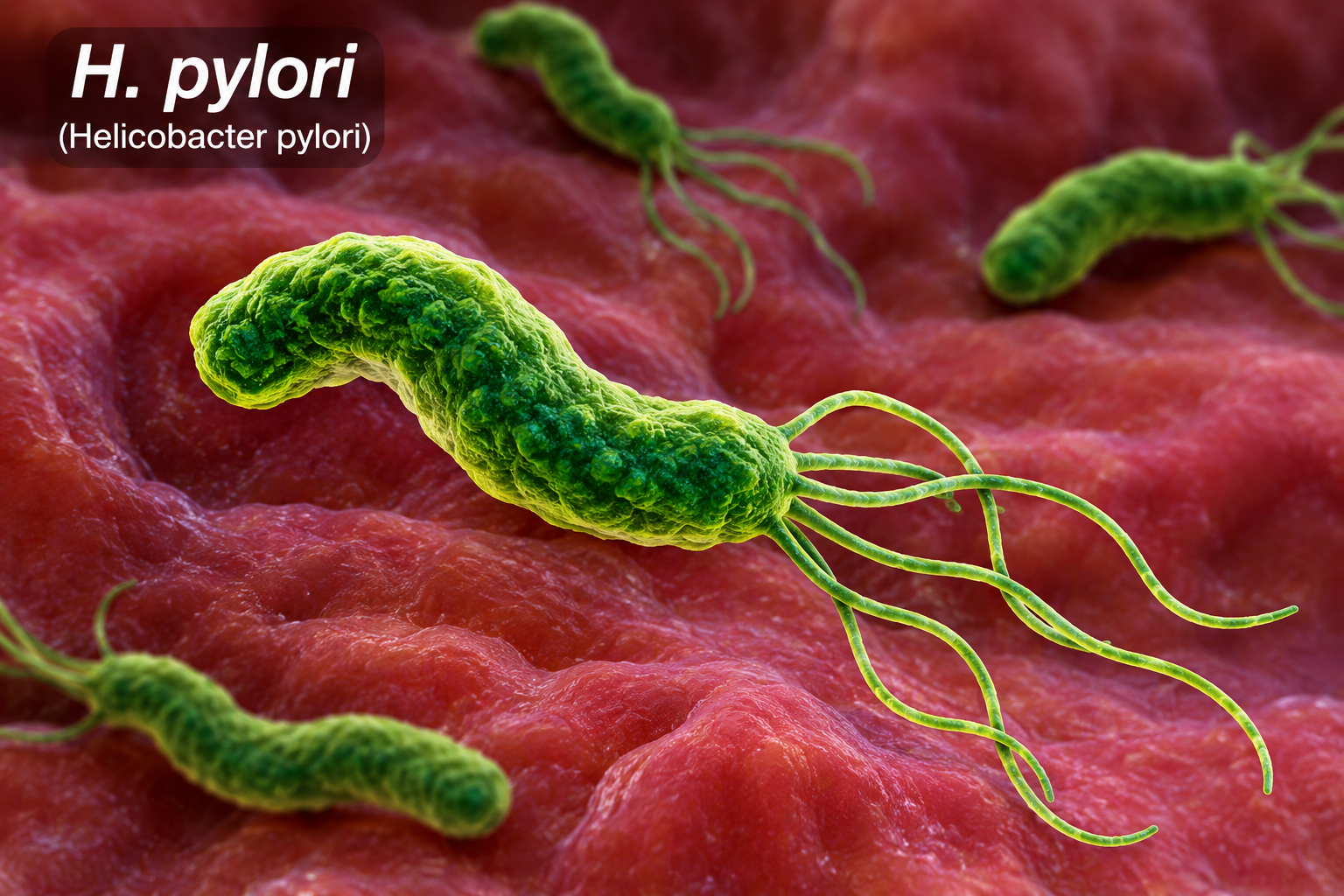
Yes, Helicobacter pylori (H. pylori) infection can cause stomach cancer and is classified as a group 1 carcinogen by the World Health Organization. [1, 2]
How H. Pylori Leads to Cancer
- Chronic Inflammation: The bacteria burrow into the stomach lining, causing long-term swelling, irritation, and gastritis.
- Cell Damage: Constant tissue damage forces the stomach cells to regenerate over and over. Over decades, these repeating cycles can cause genetic mistakes that turn into cancer cells.
- Toxins: Certain strains of H. pylori produce a specific protein called CagA, which enters stomach cells and further increases the risk of dangerous changes.
Types of Cancer Linked to H. Pylori
- Gastric Adenocarcinoma: This is the most common form of stomach cancer linked to the bacteria.
- Gastric MALT Lymphoma: A rare type of immune system cancer (non-Hodgkin lymphoma) that starts in the stomach lining. Nearly all cases of this lymphoma are tied to H. pylori.
Important Facts to Keep in Mind
- Most Don't Get Cancer: Roughly half of the world's population carries H. pylori, but don't get cancer.
- It Is Treatable: If tests show you have the bacteria, doctors can cure the infection using a simple course of antibiotics and acid-reducing medicines, which greatly lowers your cancer risk. You can learn more details on the National Cancer Institute website.